








-
 Login to view price
 -
Login to view price
-
Login to view price
-
Login to view price
-
Login to view price
-
Login to view price
Reviews & Ratings
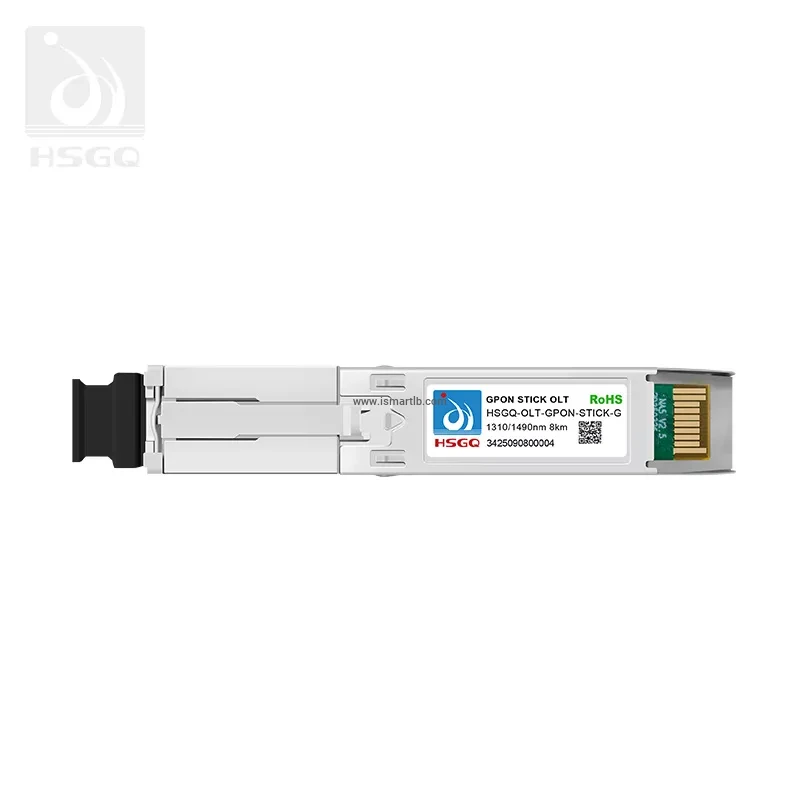
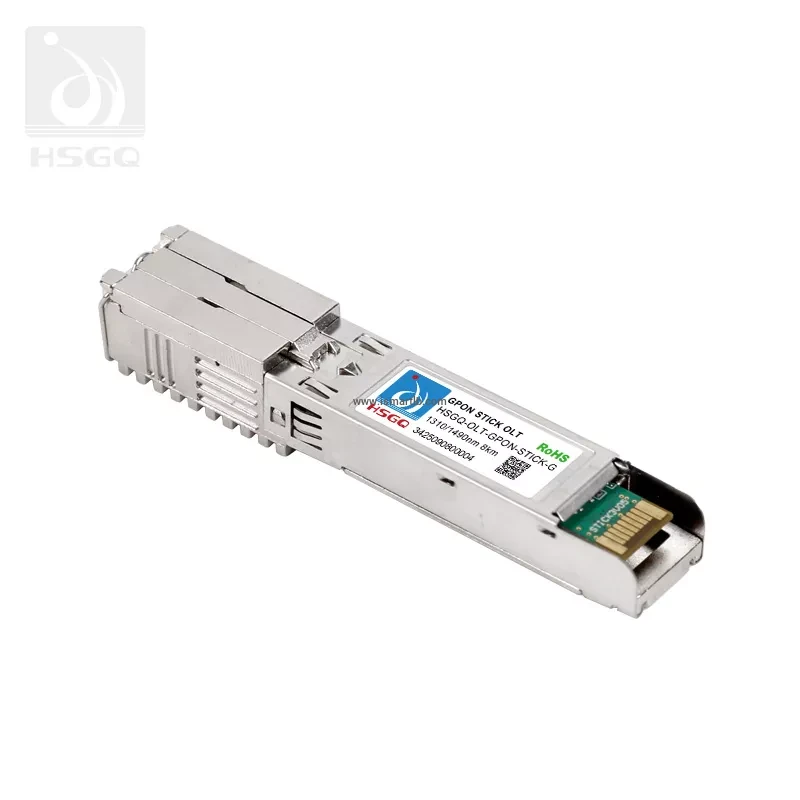
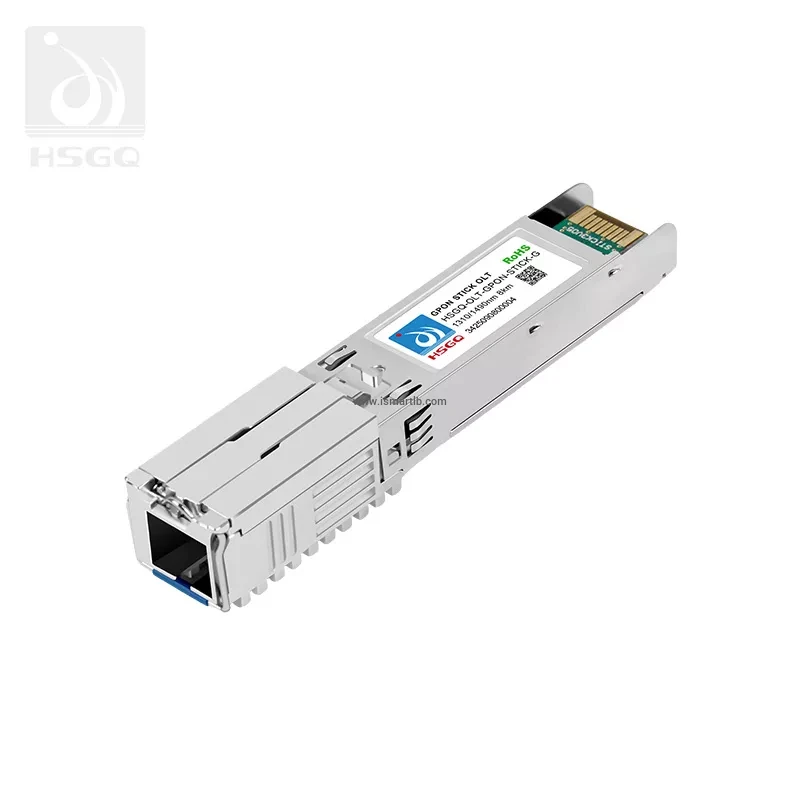
GPON OLT Stick 1:32
Key Features of OLT Sticks
Compact Design
OLT sticks are designed to be remarkably compact, making them an excellent choice for modern networking needs. Typically, these devices measure about 75×22×12mm, which is significantly smaller than traditional OLT systems. This mini OLT stick GPON design not only saves space but also simplifies installation in tight areas, such as small network cabinets or wall-mounted equipment boxes.
Benefits of Compact Design:
● Space-Saving: Ideal for environments where every inch counts, such as offices or data centers.
● Portability: Easy to transport and install, making it convenient for field technicians.
● Integration: Fits seamlessly into existing setups without requiring extensive modifications.
Hot-Pluggable Functionality
One of the standout features of OLT sticks is their hot-pluggable functionality. This means you can insert or remove the device without shutting down the entire system. This capability is crucial for maintaining network uptime and flexibility.
Advantages of Hot-Plugging:
● Minimized Downtime: Technicians can replace or upgrade devices without interrupting service.
● Ease of Use: Simplifies the process of adding or removing components from the network.
● Durability: HSGQ’s OLT sticks are built to withstand up to 200 hot-plug operations, ensuring reliability even in high-demand environments.
Power Efficiency
Power consumption is a vital consideration for any networking device. OLT sticks excel in this area, consuming less than 3W of power. This low energy requirement not only reduces operational costs but also contributes to a greener environment.
Key Aspects of Power Efficiency:
● Cost Savings: Lower energy consumption leads to reduced electricity bills, benefiting both small businesses and large enterprises.
● Heat Reduction: Less power usage means less heat generation, which can simplify cooling requirements in network cabinets.
● Sustainability: By using energy-efficient devices like the HSGQ OLT stick, companies can reduce their carbon footprint.
These features make OLT sticks an attractive option for anyone looking to enhance their fiber optic networks. Their compact design, hot-pluggable functionality, and energy efficiency combine to provide a reliable and effective solution for modern communication needs.
How Does an OLT Stick Work?
Basic Operation
An OLT stick operates as a crucial component in fiber optic networks, seamlessly integrating with existing network devices like switches and routers. When connected, it converts electrical signals from these devices into optical signals for transmission over fiber cables. This process is essential for ensuring efficient data transfer across long distances.
Signal Conversion Process:
1. Electrical to Optical: The OLT stick takes electrical input and transforms it into optical signals using lasers.
2. Transmission: For downstream data, it typically uses a wavelength of 1490nm, while upstream signals operate at 1310nm. This dual-wavelength approach allows for effective communication between the OLT and the Optical Network Units (ONUs).
Traffic Management
Managing data traffic efficiently is vital for maintaining network performance. OLT sticks utilize Time Division Multiple Access (TDMA) to allocate bandwidth among multiple users. This method ensures that each user receives a fair share of the available bandwidth, preventing congestion.
Key Features of Traffic Management:
● User Allocation: TDMA divides time slots for each user, allowing multiple ONUs to share the same fiber without interference.
● Scalability: HSGQ’s OLT sticks support up to 32 ONUs, making them suitable for both small and large deployments.
Device Management
Effective device management is essential for maintaining network health and performance. OLT sticks support the OMCI (ONT Management and Control Interface) protocol, which provides a standardized method for managing ONUs remotely.
Device Management Capabilities:
● Remote Configuration: Technicians can configure settings and troubleshoot issues without needing physical access to devices.
● Real-Time Monitoring: HSGQ’s web-based management interface allows users to monitor network performance in real-time, providing insights into traffic patterns and device status.
This combination of advanced features makes OLT sticks an integral part of modern fiber optic networks, enhancing both performance and manageability. Their ability to integrate smoothly with existing infrastructure while providing robust traffic and device management ensures they meet the demands of today’s high-speed internet requirements.
Specifications and Limitations of OLT Sticks
Capacity and User Support
OLT sticks are designed to support a varying number of users, typically ranging from 32 to 128. This capacity makes them versatile for different network sizes, whether for small offices or larger enterprises. For instance, HSGQ's OLT stick can support up to 32 Optical Network Units (ONUs), making it an excellent choice for smaller deployments or specific applications.
User Support Breakdown:
● 32 ONUs: Ideal for small businesses or residential areas.
● 64 ONUs: Suitable for medium-sized networks, such as schools or small campuses.
● 128 ONUs: Best for large-scale deployments, like urban fiber networks.
Transmission Distance
Another important specification is the transmission distance of OLT sticks. They can effectively transmit signals over single-mode fiber up to 20 kilometers. This long-distance capability allows service providers to reach customers in remote locations without compromising signal quality.
Key Points on Transmission Distance:
● Up to 20 km: Enables connectivity in rural and suburban areas.
● Signal Integrity: Maintains high-quality data transmission over long distances.
Speed Capabilities
OLT sticks adhere to the GPON (Gigabit Passive Optical Network) standards, which define the speed capabilities of these devices. Typically, OLT sticks can achieve downstream speeds of 2.5 Gbps and upstream speeds of 1.25 Gbps. These speeds are essential for providing high-speed internet access to multiple users simultaneously.
Speed Specifications:
● Downstream: 2.5 Gbps, allowing for fast data delivery to users.
● Upstream: 1.25 Gbps, facilitating efficient data uploads.
These specifications highlight the capabilities and limitations of OLT sticks in modern fiber optic networks. Their ability to support multiple users, transmit data over long distances, and deliver high-speed internet makes them a valuable tool for service providers looking to enhance their offerings.
Advantages of Using an OLT Stick
Cost-Effectiveness
One of the primary advantages of using an OLT stick is its cost-effectiveness compared to traditional OLT systems. Traditional systems often require significant investments in hardware, including large racks and extensive cabling. In contrast, OLT sticks are compact and affordable, allowing service providers to minimize their initial capital expenditure.
Cost Comparison:
● Traditional OLT Systems: High installation and maintenance costs due to bulky infrastructure.
● OLT Sticks: Lower hardware investment and reduced operational costs, making them ideal for budget-conscious ISPs.
HSGQ offers solutions specifically designed to reduce hardware investments, allowing providers to allocate resources more efficiently. This cost-saving advantage is especially beneficial for small and medium-sized businesses.
Simplified Deployment
OLT sticks also simplify the deployment process, making them particularly advantageous for small-scale deployments and rural Internet Service Providers (ISPs). Their compact size and plug-and-play functionality mean they can be quickly installed without extensive training or technical expertise.
Benefits of Simplified Deployment:
● Quick Setup: OLT sticks can be installed in minutes, reducing downtime.
● User-Friendly: Designed for easy integration into existing networks, even for less experienced technicians.
For example, HSGQ’s installation process involves straightforward steps, ensuring that even small ISPs can get up and running quickly. This ease of deployment allows providers to focus on expanding their services rather than dealing with complex installations.
Flexibility and Scalability
Another significant advantage of OLT sticks is their flexibility and scalability. These devices can easily adapt to various network needs, whether a small home network or a larger enterprise setup. OLT sticks can accommodate growing user bases and changing requirements without necessitating a complete overhaul of the existing infrastructure.
Key Aspects of Flexibility and Scalability:
● Adaptable to Network Changes: Easily increase or decrease the number of supported ONUs as needed.
● Compatibility: HSGQ’s OLT sticks are designed to work seamlessly with third-party devices, providing additional options for network expansion.
This combination of cost-effectiveness, simplified deployment, and flexibility makes OLT sticks a compelling choice for service providers looking to enhance their fiber optic networks efficiently. They not only meet current demands but also position providers for future growth.
Frequently Bought Products
-
Login to view price
-
Login to view price
-
Login to view price
-
Login to view price
-
Login to view price
-
Login to view price